How to Lower Your Blood Pressure Naturally
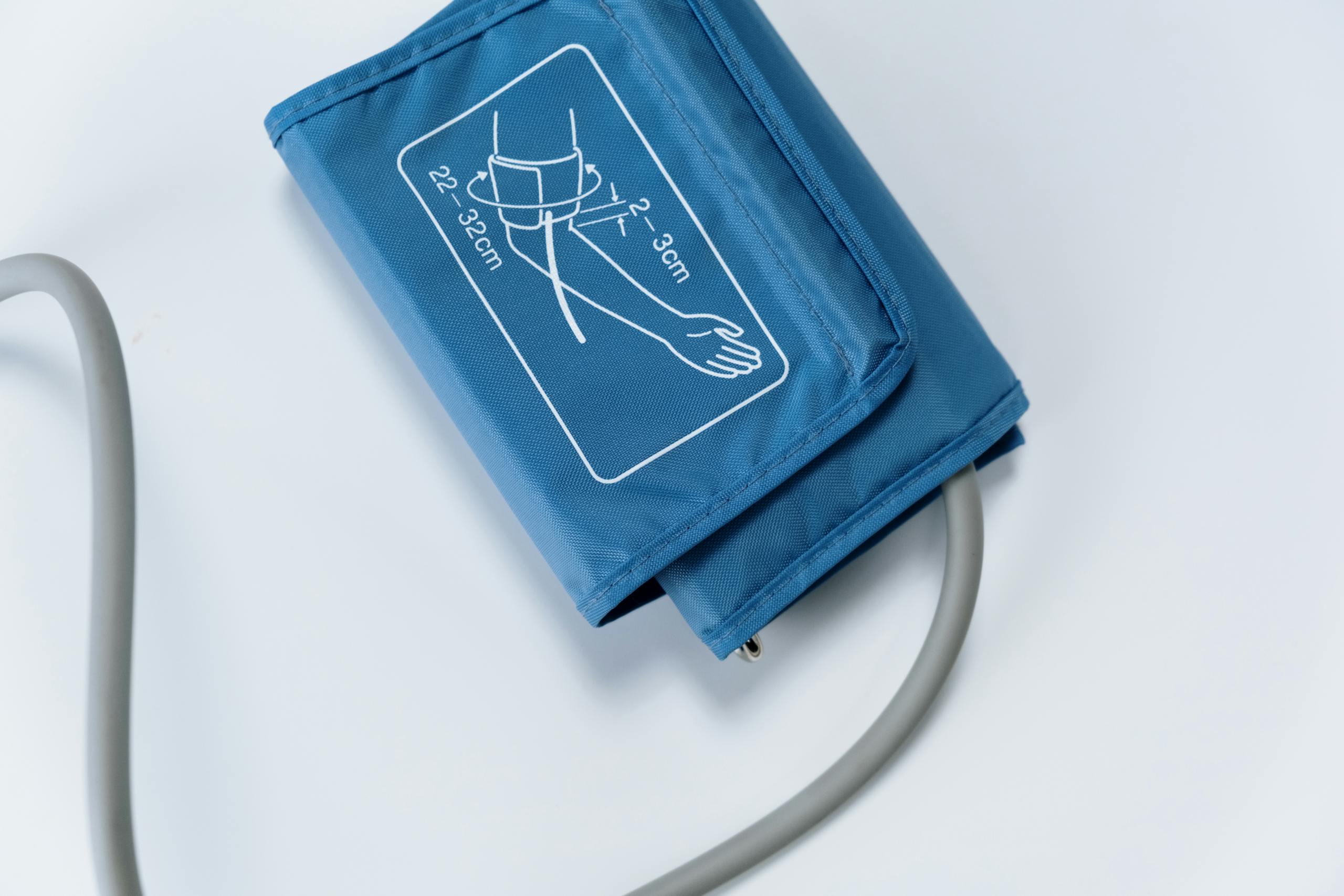
You want to lower your blood pressure naturally, without medication.
If you’ve recently been diagnosed by your doctor with high blood pressure or hypertension, they may try to prescribe you medication. And while you know medication can be effective, you don’t want to be on them for the rest of your life.
Before leaving the exam room, you ask your doctor to hold off on the medications. You want to try to lower your blood pressure naturally first, then allow your doctor to reassess later whether medication is necessary. She gives you the ok. Now it’s up to you to figure out how to lower your blood pressure naturally.
Diet change is also an effective and natural strategy that may help you lower your blood pressure without medication. You may be aware of one half of this strategy, but if you use it in conjunction with the other half, you could be on your way to lowering your blood pressure naturally.
Before we learn about this strategy, it’s important to understand how this strategy works. I’m going to take you back to high school biology and explain the sodium-potassium pump.
The Sodium-Potassium Pump
The sodium potassium pump is an enzyme in the cell membrane that helps to regulate sodium and potassium levels in your body. The main function of this pump is to bring potassium inside the cell and move sodium outside the cell. If you need a more descriptive memory aide to help you remember this, here is the story of the cell boat, extracted from SimpleNursing.
The Cell Boat Story

Imagine a sailboat (cell boat) that wishes to keep salt water (sodium) out of the boat and wants to catch fish (potassium) to put in the boat.
If saltwater gets into the cell boat, then the obvious thing to do is to remove it from the boat. This avoids too musch sodium from entering the cell.
If you’re on a fishing trip in the cell boat, you want to catch as much fish or potassium as you can. This keeps everyone on the cell boat happy.
Though this boat is good at keeping fish in, there are some holes (potassium channels) inside the cell boat, that fish can escape out of.
Remember the cell boat story as you read the rest of this blog post. Based on the cell boat story you may have an idea of what I’m about to tell you. First let’s stary off with the most widely known recommendation when it comes to lowering your sodium intake.
Cut Down on Your Salt Intake
Most of us know that if you eat a lot of salt, your blood pressure goes up. So if you already have high blood pressure, you should eat less of it. To put it in practical language, you should generally aim to eat 2,000 – 2,300 mg or 1 tsp of salt or less a day to achieve a low salt diet. There are a few different ways to do this that don’t include skipping the salt shaker at the table.

One way to decrease the amount of salt you eat to lower blood pressure naturally is to look for low sodium options of your favorite packaged foods. Anything lower than 140 mg per serving is considered a low sodium option. This allows you to still enjoy your favorite foods, but in a way that aligns with your health goals.
Though lowering your salt intake has been the gold standard for lowering your blood pressure, increasing your intake of potassium at the same time may be more beneficial.
Eat More Potassium to Lower Your Blood Pressure
It is a little known fact that foods rich in potassium may help you lower your blood pressure naturally. A high amount of potassium in the blood lowers your blood pressure. This is because potassium helps to relax the blood vessels, which allows blood to flow easier and it helps the kidneys flush out excess sodium in the blood through urination.
Think about it like this: Increasing your potassium intake increases the amount that is in the cells and pushes out sodium into the bloodstream. Potassium is still able to leak out of the cells into the bloodstream through potassium channels. The abundance of potassium in the bloodstream activates the kidneys to release more sodium into the urine.
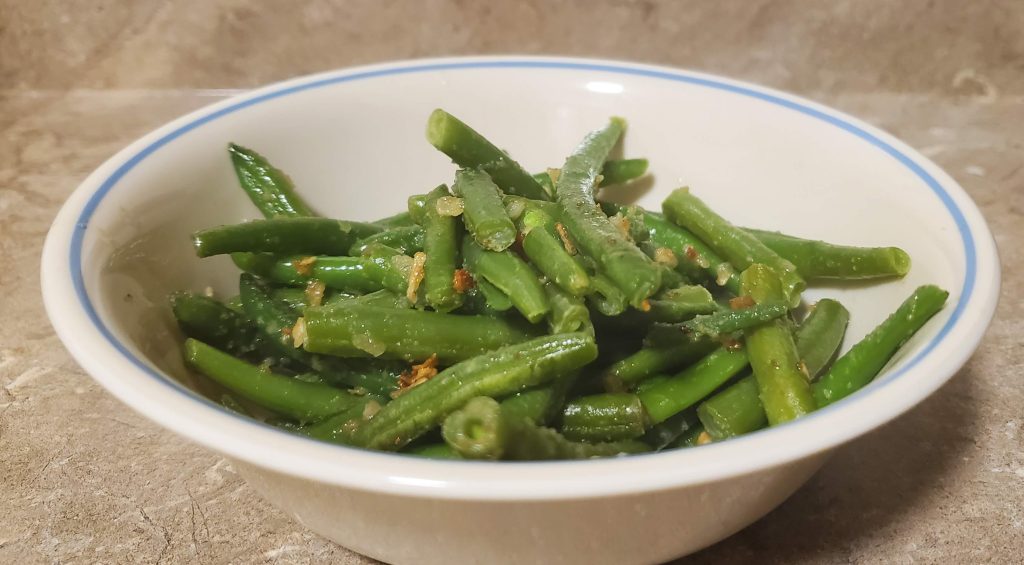
Based on age and sex the appropriate amount of potassium can range from 2,300 – 3,400 mg a day. Green beans tend to be a food that’s high in potassium Click here for a delicious sauteed green beans recipe!
Decreasing your salt intake and increasing your potassium intake may hep you lower your blood pressure naturally. However, this may not work for everybody.
If You Can’t Lower Your Blood Pressure Naturally and Require Medication
First off, there is nothing wrong with you and you are not a failure if you have tried this approach and you still require medication. This diet change is not for everybody.
In general, before making any changes to your diet, speak with your healthcare team. People who are on dialysis and people who take ACE inhibitors may not be candidates for these changes in their diet.
Lastly, you can always book an appointment with me by clicking here. We can come up with a personalized nutrition strategy to help you lower your blood pressure naturally. Leave a comment down below.
DISCLAIMER: I am a medical professional, but I am not apart of your healthcare team. Always consult with your primary care physician or other medical professional of your healthcare team when making changes your your diet or lifestyle.