Restock Your Fridge – The Most Effective Ways
Restock Your Fridge Effectively
Restock your fridge videos on TikTok and YouTube are super satisfying to watch. Though they are aesthetically pleasing to watch, people may not always be restocking their fridge effectively. With food costs rising, it’s also more important now than ever to store foods in your refrigerator properly to help them last longer. Additionally, there are ways to restock your fridge to keep your food safe to eat.
First, we’ll need to understand the various sections of your refrigerator so that you can properly restock your fridge.
Parts of Your Refrigerator
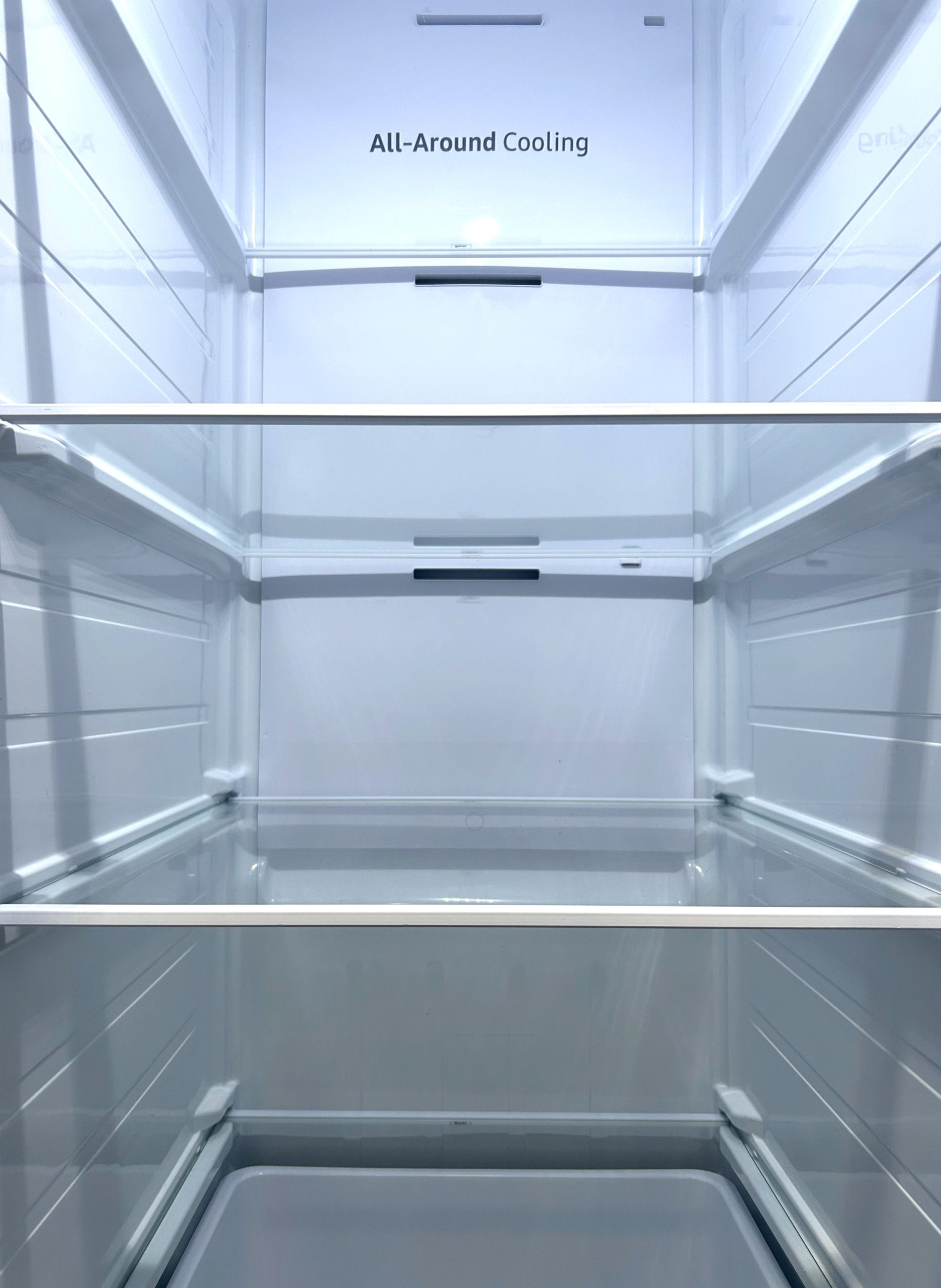
Before learning how to store your foods, it’s important to understand the physical components of your refrigerator. Everyone’s home refrigerator is slightly different, but the same. I’ll be using photos of my refrigerator for visual examples. I don’t have the fanciest fridge. However, my fridge does have all the basic compartments it needs to keep my food fresh and safe.

Shelves
Shelves appear above the crisper drawers and are were most people store the majority of their food. Where and how you position your food on the shelves can impact safety and freshness.
Crisper Drawers
Crisper drawers are a special section of the refrigerator that are able to hold foods at a higher humidity than foods in the rest of the refrigerator. Some refrigerators allow you to adjust the humidity level in the crisper drawers. Crisper drawers that do not have adjustable humidly controls are high humidity by default.
Door Shelves

This is another self exclamatory portion of your fridge where many people store condiments and drinks. Again where and how these foods are positioned in this section of the fridge can impact safety and freshness.
Knowing the different parts of your refrigerator and how they operate can largely impact the way you restock your fridge. Also, keep in mind that the most efficient ways of achieving this may not be Instagram or TikTok aesthetically pleasing. It’s up to you though – do you want a pretty looking fridge with food placed in places where food may spoil faster? Or, do you want an average looking fridge with food placed strategically so that your food stays fresh and you get your money’s worth?
How to Restock Your Fridge Effectively
Shelves
Top Shelves
Food items such as leftovers, meal preps, prepared infant formula, and pumped breastmilk are examples of food that should be stored on the top self of your refrigerator. This is the safest place in the fridge that they can be. Leftover food is prepared food that is ready to eat such as last night’s dinner or a parfait for tomorrow’s lunch. If these foods come in contact with raw foods, particularly raw meat, poultry and fish, it can cause illness.
Additionally, prepared infant formula and freshly pumped breastmilk are obviously for young infants and/or children. Infants and children’s immune systems are still developing and contact with the wrong foods can be deadly for them.

As a reminder, eat leftovers within 7 days of preparation for optimal freshness. The Center for Disease Control (CDC) advises to use freshly pumped breastmilk that has been refrigerated within 4 days. Also, the CDC says that prepared infant formula should be used within 24 hours after preparation when placed in the refrigerator.
Middle Shelves
Dairy products such as milk, cheese, yogurt , sour cream, and even butter are best stored on the middle shelf. The middle shelf is one of the coldest parts of your fridge. Dairy foods tend to be very temperature sensitive, which is why this is the best place to store them when you restock your fridge.
Bottom Shelves

The bottom shelves are also one of the coldest places in your fridge. Store raw meat, poultry and fish here so they can stay fresh for longer.
You may be wondering, if the middle and the bottom shelves are both the coolest places in the fridge, why does it matter if dairy is stored on one shelf and meat stored on the other? That’s a great question!
You intentionally place meat at the bottom of the fridge because this is the best way to prevent potential juices from raw meat, poultry and fish from coming in contact with your dairy products. This will prevent you from contracting a foodborne illness which can make you sick or cause death.
Crisper Drawers
Low Humidity Drawers
This is an ideal place for a lot fruits. Fruits such as grapes, apples, citrus fruits, pineapples, berries and melons should be kept in this section of the fridge.
Some fruits ripen the best at room temperature and shouldn’t be places in the fridge. These include bananas and avocados. Bananas are tropical fruit and don’t like cold air. It actually damages their cells and this is why they turn brown in the fridge. Avocados on the other hand turn brown because refrigeration cause their cells to be more sensitive to oxygen. This is just like cutting an avocado and exposing it to the air; after some time, it will turn brown.
Some foods can ripen at room temperature, but need to be placed in the fridge after ripening to slow ripening and preserve freshness. These include kiwis, mangoes and melons.
High Humidity Drawers

High humidity in crisper drawers are ideal for leafy or thin skinned vegetable or anything that tends to wilt. This includes lettuce, asparagus, spinach, carrots, and eggplant.
It can be tricky to remember which produce belongs in the high or low humidity crisper drawers. However, think about the produce section of your favorite grocery store. Which fruits and vegetables are placed where the misters are? Those are high humidly foods that need to be placed in your high humidity crisper drawers. If they aren’t there, place them in the lower humidity crisper drawers.
When you restock your fridge, remember to leave space in the crisper drawers. Overfilling causes less air to flow and crisper drawers work most effectively when there is proper airflow.
Door Shelves
The door shelves of your fridge experience the most fluctuation in temperature. For this reason, food items that can withstand temperature variability should be kept here. This includes condiments and non-perishable drinks.
How Do You Restock Your Fridge?
Comment down below and tell us how you restock your fridge! Also, let us know how you will rearrange your food in your refrigerator moving forward after reading this post.