How to Meal Prep Successfully – According to a Nutritionist
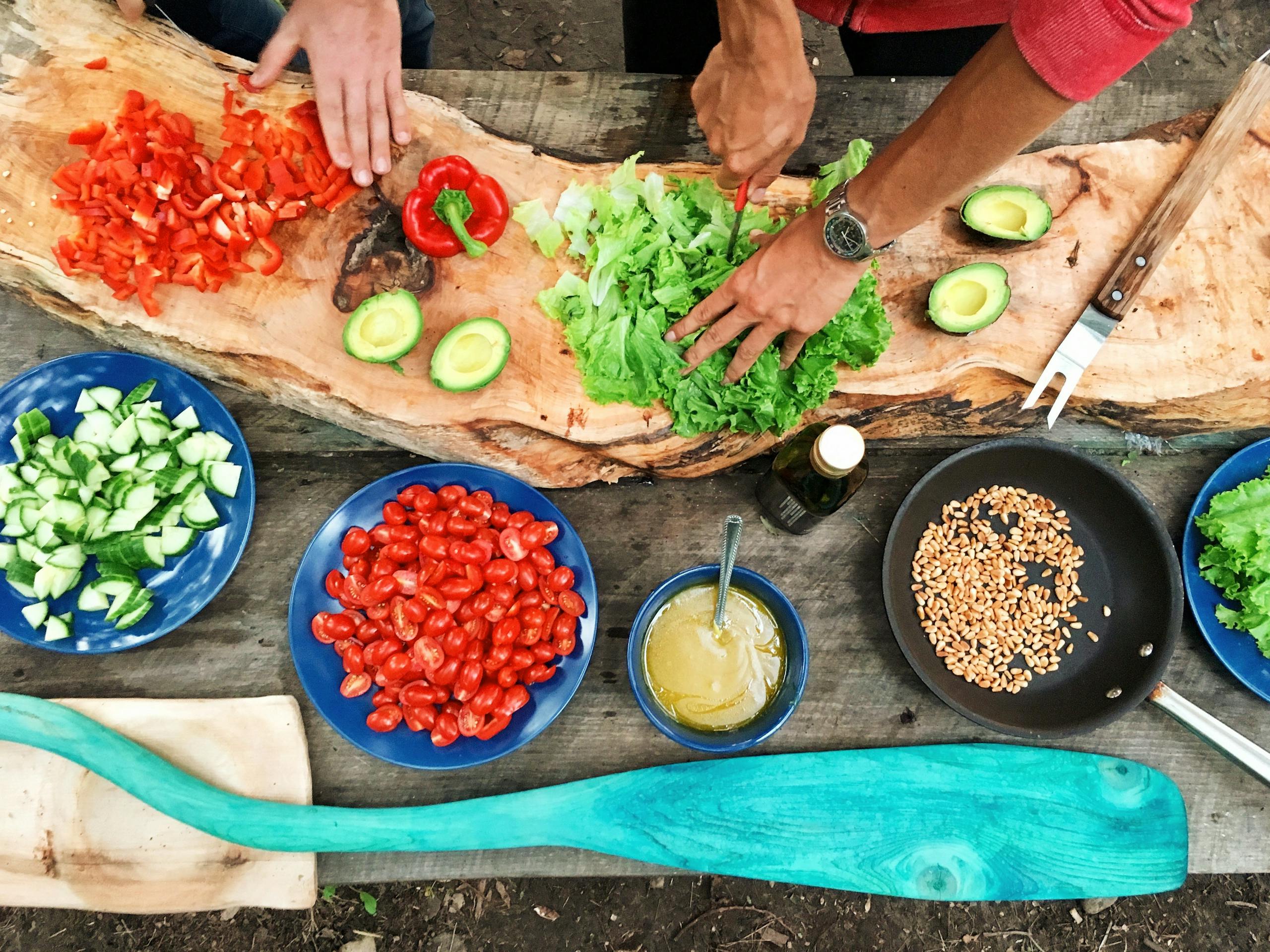
How to Meal Prep – A Free Guide
Learning how to meal prep requires knowing the basics of nutrition, and of course strategic planning. A Registered Dietitian Nutritionist can easily help you with this. However, with everything being so expensive right now, paying for a nutritionist may be out of reach for many people. That’s why I, a Registered Dietitian Nutritionist, am willing to give you a step-by-step guide for FREE! Before we get started, let’s talk about the benefits of meal prepping.
Benefits of Meal Prepping
There are numerous benefits meal prepping. Here a few that can help you stay motivated:
1. Less Likely to Order Takeout
Many people order takeout food for the convenience or because they’re too tired to cook, which are completely valid reasons. When you already have food that’s fully prepared or mostly prepared in your fridge or freezer, that’s super convenient. Since you have “convenience foods” readily available that require little to no preparation, you’ll be less likely to to order takeout. And since you’ll be ordering less takeout, you’ll simultaneously be saving more money.
2. Save Money
Many people claim that eating out costs the same as buying groceries. I have a different perspective. For example, if you buy a $5.00 bag of potatoes, you can make French fries, hashbrowns, mashed potatoes, potato salad, scallop potatoes, potato soup and more. In 2025, large fries at McDonald’s costs around $5.00. Even though it’s these two items are the same price, you only get fries with the McDonald’s purchase.
Click here to learn more about how meal prepping helps you save money and eat healthy.
Essentially, when you buy raw ingredients, you automatically have more flexibility in the types of foods you can make. Not only will you be spending less money and getting more bang for your buck, you’ll be identify every single ingredient in your food.
3. Know Exactly What’s in Your Food
Because meal prepping allows you to prepare and cook your food, you know exactly what’s in it. In a world where a lot of things are outside of our control, this gives a lot of people comfort and is a great motivator to help people keep meal prepping. Plus, when you make your own food, you’re more likely to enjoy it due to the mere fact that you made it.

4. Appreciate Your Food More
Cooking can serve as a creative outlet for many people. Once you’re really good at it, you can get in “the zone” when you cook. This is because it’s such an art form that takes time and effort and you tend to value it more. This causes you to tastes the flavors in your food more intensely, end up with less food waste and enjoy it more.
With all these benefits to relish in, there’s plenty of reasons to meal prep… or meal plan… Is there a difference?
How to Meal Plan vs How to Meal Prep
Though often used interchangeably, I consider meal planning and meal prepping to have different meanings. Meal planning is the preparation stage while meal prepping is the action stage of making a meal. Let me explain.
Meal planning is brainstorming what you want to have that week, clipping the coupons, buying the groceries, etc. It’s everything BEFORE you are in the kitchen and touching the food. Whereas meal prepping is essentially making leftover on purpose. This is the part of the process when you are physically making and storing the food for the final food dish that you planned to make during meal planning.
Whichever term you chose to use, here is my step by step instructions on how to meal prep successfully.
How to Meal Prep – A Step by Step Guide
Step 1: Understand the Basics of Nutrition
The Foundation
Learning how to meal prep from scratch requires knowing the basics of nutrition. A good place to start to understand what makes up a general healthy meal is to use the MyPlate method. MyPlate suggests that half of your plate is made up of fruits and vegetables, one-fourth of your plate is grains (with more than half your grains being whole grains), one fourth of your plate be a protein rich food and include low-fat to non-fat dairy or fortified soy milks.
Know that your plate does not have to look exactly like MyPlate in order to be healthy. These are general guidelines to get your juices flowing and for you to have a general understanding of what’s healthy.
Understanding the basics of nutrition is just one piece of the puzzle to learning how to meal prep. Now, you’re ready to move on to the next step.

Step 2: Prepare Your Food
This step is at the heart of how to meal prep. Preparing your food as much as possible in advance to cooking it will save you lots of time and prevent you from experiencing lots of stress. Here are a few simple ways that you can prepare your foods in advance:
Proteins
Meats
If you’re the type of person that tends to keep most of your meat in the freezer, defrost your meat ahead of time, in the refrigerator. This may take a little more planning, but it’ll save you a lot of chaos when your making your meals. Once they’re defrosted, you can also season your meat. Since you’re essentially marinating the meat, this will improve the taste and you’ll be able to place it in the oven or on the stove right out the fridge!
Additionally, for ground meats such as ground turkey and ground beef, you can season them with basic seasonings such as just salt and pepper. Then, you can go ahead and cook them. That way, you’ll have meat that’s already done that can be used for taco meat, spaghetti, or soup.
Meat Alternatives
For those of you who are more plant based, you can make your life easier when meal prepping by soaking your beans overnight in the fridge and pressing your tofu ahead of time and sealing it in an airtight container.
Proteins are generally the main attraction of your plate. Already having them prepared somewhat can be a huge relief. The next thing you’ll probably consider is the side that would accompany that meat.
Sides
Starches and Grains
The good thing about a lot of starches and grains is that they require water to cook. Think of rice, and quinoa. When they are cooked in hot water they swell and become as much as two times more their size when they were dry. You can easily make these ahead of time and have a lot stored. Pasta is another starch that can come in handy when learning how to meal prep.
Pasta
Prepared pasta can hold it’s same texture for about two to three days in the fridge in an airtight container. When placing your prepared pasta in the fridge, feel free to add some olive oil or butter to it to prevent it from clumping when reheating it for later use. Luckily, you won’t have to worry about nearly as much steps when meal prepping vegetables.
Vegetables

If you like adding fresh vegetables to your dishes, one thing you can do to help you meal prep is to wash, chop them, and store them in the refrigerator. Prepping vegetables can be an extremely tedious task, so the fact that you would get this out the way on a day you have time to save yourself some time in the future is truly an act of self love.
Some vegetables such as lettuce, spinach, carrots, and broccoli can be eaten raw, so if you’re consuming those, you don’t even have to cook them! However, many vegetables can easily be prepared by boiling them in water or baking them in the oven. Once you’re done with preparing them, you can store them in an airtight container and place them in the fridge to easily warm up later.
Step 3: Storing Food
When storing uncooked food, be sure to check the food’s packaging for the use by date. For food that has already been cooked, be sure to eat it within seven days if it is in the refrigerator. If it’s stored in the freezer, eat it within three months. Following these safety guidelines will ensure that your food stays safe to eat so that you don’t get sick. Also, be mindful when reheating your food.
Step 4: Reheating Food
Always warm your food back up to at least 165 degrees Fahrenheit. Again, this is to ensure that your previously cooked food is safe to eat again.
Did You Learn How to Meal Prep?
Let us know in the comments down below which tip from this complete guide on how to meal prep was your favorite. Also let us know if you have any tips of your own that were not mentioned!

This is such a practical and realistic guide to meal prepping. I really like how you focus on balance and planning instead of extreme restrictions it makes the advice much easier to follow long term. Having a strategy like this also helps when eating out occasionally, especially if you quickly check things like Panda Express Menu Prices to plan portions and stay withttps://pandaexpressmenuu.us/hin a budget. Great tips that actually feel doable for everyday life!
This is such a helpful and realistic approach to meal prepping. I really appreciate how you focused on balance and portion planning instead of strict dieting. The tips about preparing ingredients ahead of time are especially useful for busy weeks.
I’ve been exploring healthier meal choices and portion ideas recently, and while browsing the Panda Express Menu, it actually helped me understand how to plan meals better when eating out or mixing homemade and restaurant food. Content like this makes nutrition feel practical and sustainable. Thanks for sharing such valuable insights!https://pandaexpressmenuu.us/