4 Tips on How to Meal Plan Like a Pro (Nutritionist Approved)

How to Meal Plan – Like a Nutritionist
As a Registered Dietitian Nutritionist, most, people come to me for customized meal plans because they feel like they don’t know how to meal plan. I’ve heard:
- “It takes a ton of mental energy to decide what you want to eat, plan the ingredients, manage the cost and make it taste good.”
- “If you don’t know much about nutrition, creating a meal plan is… overwhelming.”
- “A plan feels like certainty and safety, especially… [with] conflicting nutrition advice.”
- “Choice can feel kind of scary or daunting. Sometimes, it feels nice for another person to just tell you what to do.”

I completely understand and I am more than happy to make meal plans to my clients. However, I also understand that some people can’t afford my services or maybe they’re not ready to use my services yet. This is why I’ve created this guide.
Below are four tips are principles that I follow when creating meal plans for my clients. Before we get into the tips, let me explain what this guide will provide for you.
What this Guide Is, and What It Isn’t…
In this article, I will give you practical tips on how to meal plan for your everyday life. This way, you won’t need to follow a strict calendar that tells you what to eat everyday. Instead, I want to educate you on basic meal planning principles to help you create generally healthy meals that fit into your lifestyle.
As a disclaimer, even though I am a healthcare provider, I am not YOUR healthcare provider. Always speak with your healthcare team before changing your diet, particularly if you have health conditions that are affected by food. If you’ve already did that, let’s move on to step one.
How to Meal Plan
1. Eat the Rainbow

Yes, you can go ahead and think about the Skittles slogan “taste the rainbow”. And while it’s ok to eat skittles in moderation, when I say eat the rainbow, I’m talking about eating colorful whole foods.
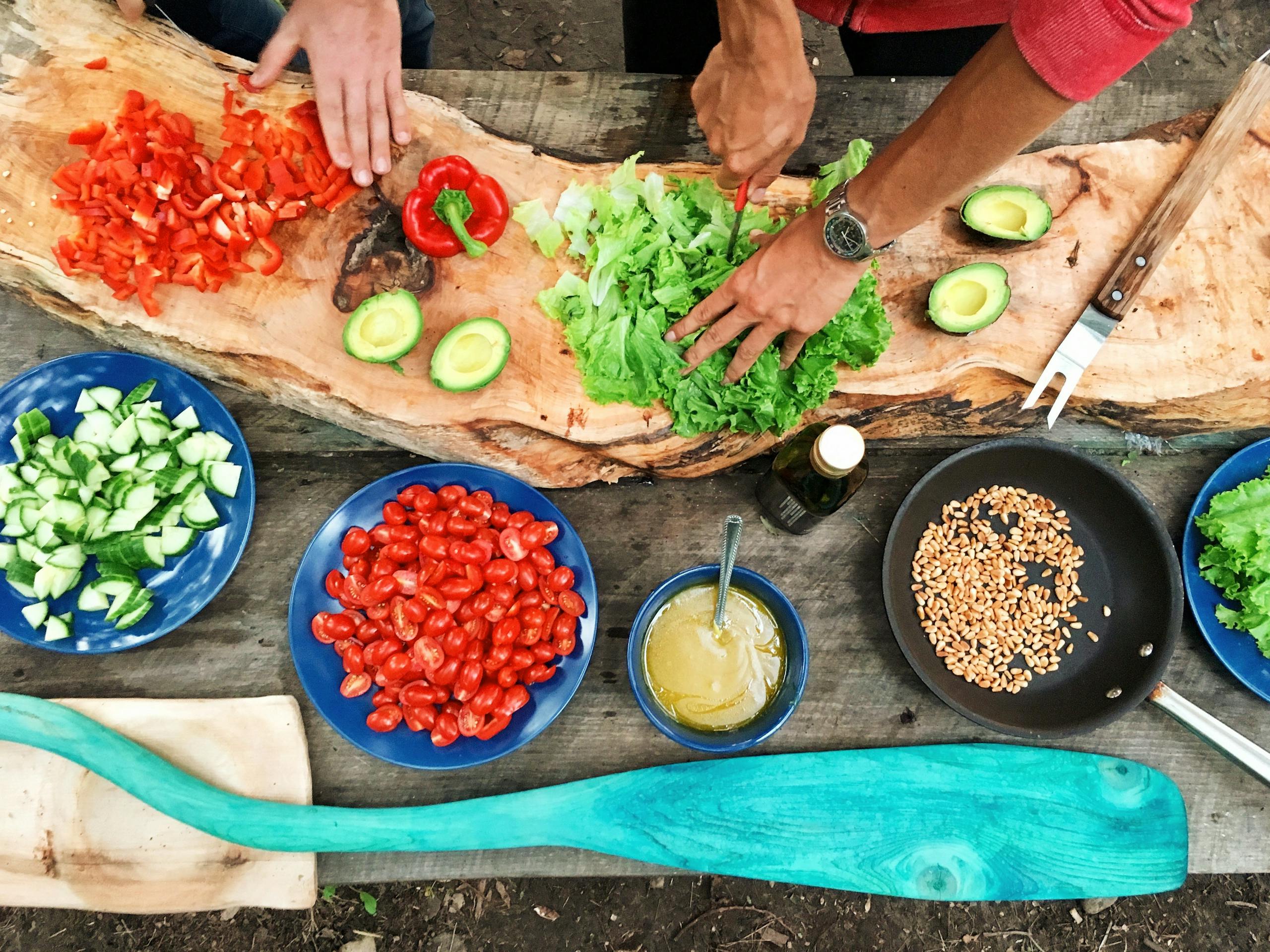
Make sure when you plan your meals, you think about adding as many colors as possible. This ensures that you eat a wide variety of vitamins and nutrients. Eating a variety of foods also ensures that you’re eating foods from different food groups. Fruits, vegetables, proteins, and grains can all fit onto one plate if you plan it out carefully enough.
Here are some ideas to eat the rainbow adn different food groups:
- Add a little character to your salad by adding chicken cheese, whole grain croutons and red apples.
- Add as many colorful friuits to your fruit salad for a beautiful eating experience and a burst of flavor in each bite.
In addition to having a variety of colors, it’s also important to have different shapes on your plate.
2. Vary Your Shapes
Imagine a plate in front of you that has barbeque meatballs, roasted Brussel sprouts, and a dinner roll on the side. It sound good, but did you notice that all of the foods are in a circular shape? Though it’s probably still going to taste good, it’s not all that visually appealing.

To keep things interesting, be sure to be mindful of the shapes of food when planning your meals. It’s a subtle detail that makes a big difference. Another thing to watch out when your figuring out how to meal plan is to play around in different textures.
3. Pay Attention to Textures
I don’t know if any of you are fashionistas out there, but one of the most valuable lessons I learned in fashion was to place different textures together in an outfit. This adds depth, dimension and visual interest. It prevents your look from looking flat and boring. (Now I know everyone has a unique fashion sense and if you’re more of a plain Jane, then more power to you)
This same concept applies to food. You don’t want all crunchy food, because then your mouth will get tired by the end of the meal. You don’t want all mush foods because it’ll almost be like eating baby food. And you certainly don’t want all tough food because your teeth will hurt.

You want to find that perfect balance of not only all these textures, but flavors as well.
4. Balance your Flavors
Wile learning how to meal plan is great, this final tip is likely what most people care about. You’ll want to have a balance of flavors in each meal. I personally think traditional Asian cuisine does a great job at combining all flavors because there is typically something sweet, savory, spicy, sour, umami and neutral (typically rice) in their dishes.
Having a variety of flavors on your plate keeps your meals interesting to eat. That way, you’ll be motivated to finish your whole plate and be on the path to a healthier and happier you.

How to Meal Plan – With a Nutritionist
Meal planning is something that I think anyone can do. However, I do understand that it’s something that can be a bit overwhelming for some people and they wouldn’t mind trusting in a health professional.
This is why I offer meal planning services to my clients. Feel free to book an appointment here (coming soon).
If you want to know some exact food that I dietitian would recommend (in moderation) click here.